https://thepacepress.org/?s=julie+mahoney
The Cost of Conscious: Living ethically
Julie Mahoney, Contributor

Living ethically in today’s world is more than just a chore. It is a deliberate task that you must put time and effort into. For me, living ethically is deciding what I purchase, where I purchase it from and other factors. This process can’t be used for every item I purchase because then I would never be able to buy anything I want or need on time. So, living ethically is not just making conscious decisions but knowing when it is okay to choose comfort or affordability over sustainability.
The key to living in today’s world is to balance being mindful versus buying a product because it is incredible or cheap. To do so, consider the small changes you can make to be more sustainable and thoughtful in your purchases and life. For instance, try reducing your use of plastic by having a reusable water bottle that you carry everywhere, but also using that water bottle until you can’t anymore. Or use reusable Tupperware and bags for leftovers and other items. These small switches reduce your purchases of plastic more than you think. One issue with reusable items is the difficulty of keeping them clean or sanitary, as a Ziploc won’t last very long if you continue to wash and use it. This is why having alternatives like beeswax paper for saran wrap, silicon bags that close for Ziplocs and glass or metal bins for food is a good alternative. These switches aren’t always affordable or accessible to people, but the idea is to make small changes in your life and think about how you lessen your consumerist tendencies while increasing the longevity of your purchases. In the long run, this could save you money too.
Some of the more difficult decisions in ethical living are focused on your habits, which are hard to break. I reflect on my life and tendencies frequently to improve how I think of the world and others. You must reflect on your life first to recognize your habits before you can change them. Think about how much water you use when showering or washing your teeth. Think about when you turn your lights on and off or how long your air conditioner or heater is running.
Additionally, how do you navigate the world and travel? Do you drive, take a train, walk, bike or fly frequently? You can reduce your consumption of fossil fuels and carbon emissions simply by biking instead of taking a cab. These reflections on your habits can help you turn your life into a more sustainable practice that adapts as the world does.
The Cost of Conscious: Politicization of the healthcare system
Julie Mahoney, Contributor
October 21, 2024

As I thought about different topics for this copy of my column, I started pondering issues discussed in my classes. Specifically, I thought about one from my Gender and Social Change class, where we discussed societal change and issues facing us today. Then I thought about one of the largest problems in our country right now: the politicization of healthcare and the limited access many people have to it. While your mind might immediately go to abortion and maternal care, this is not just about that–it highlights a systemic divide among classes that regulate who has access to quality healthcare.
Healthcare in this country is not free, and it’s usually granted by one’s employer. Due to this, if you have to miss work for a medical emergency, you risk being fired and losing your insurance coverage. Furthermore, the healthcare system struggles with quality. Even when the care is mediocre, we are required to pay simply because care was provided. This is not the way it should be. United States medical patients spend more on medical care than most other countries. According to Vox, the healthcare system drives 17.7 percent of the U.S. economy, but Americans visit doctors less than other countries. One reason accounting for this high cost of healthcare is the expensive rate at which prescription drugs are sold. While other countries regulate drug prices, our government lets manufacturers set prices.
Another example of the politicization of the healthcare system is powerful lobbying groups representing insurance providers, pharmaceutical companies and other stakeholders. The problem isn’t them lobbying but when they use money to bribe officials, a common practice in politics. For example, in 2005 Randy Cunnigham, a representative of California, pleaded guilty to taking at least 2 million dollars in bribes. More famously the Jack Abramoff scandal concerning lobbyists who drastically overcharged native americans while building on tribal land. As political lobbyists, this group worked with many people in congress thus implicating them in these schemes. Projects like these hinder the democratic system of our government and break the ethical code of the healthcare system.
The problems of public health have become more apparent after the pandemic. While liberals supported the vaccine, republicans pushed back against it and the government’s control over their bodies. Yet again, this is an example of politicization of the healthcare system. Since the overturning of Roe v. Wade and many states enforcing abortion bans, there is even more talk about government control over people’s bodies. The fundamental issue, at its core, is older than our country. Our nation was formed on systems that supported those in power via racism, sexism, classism and homophobia. These systems have changed but have not been fundamentally altered at their core. This is true not just of the healthcare system but also of our government, the education system and the media.
There were 25.6 million people in the U.S. who were uninsured in 2023, according to the National Health Interview Survey from the National Center for Health Statistics. Though these numbers have dropped since the pandemic, there is still a health crisis in the U.S. So it’s not just about insurance coverage or a right to an abortion–it’s about systemic change to reframe how the country runs and what beliefs are upheld. Remember your privilege as you think about these issues and that this is not a small issue.
The Cost of Conscious: Misinformation in the media
Julie Mahoney, Staff Writer
November 11, 2024
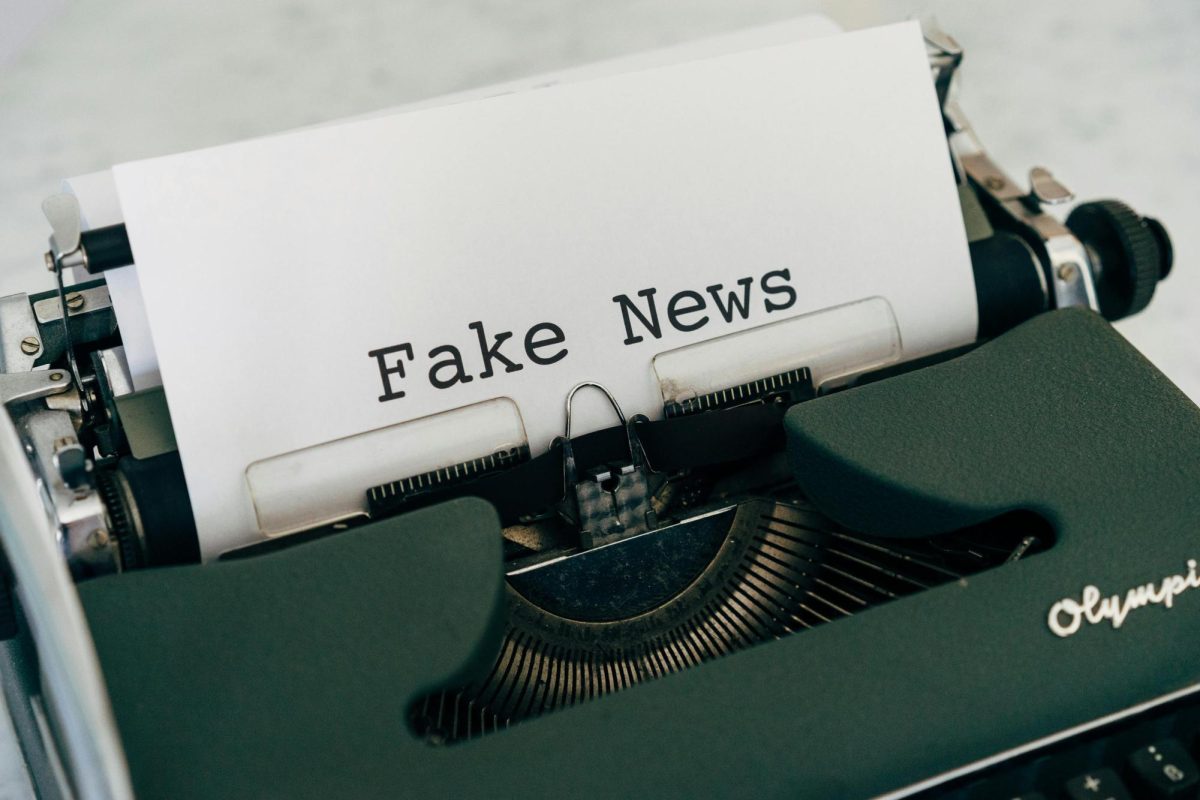
I am very proud to have attended multiple programs dedicated to journalism, specifically targeted at teaching young journalists. Throughout all of these experiences, many new things were discussed, but the harm of misinformation and how to know what is real or fake remained consistent.
I am lucky to have attended the Washington Journalism and Media Conference at George Mason University in 2023, which was six days of my life I will never forget. Later that summer, I attended The School of The New York Times, where my partner and I interviewed people on the street and gained critical reporting skills. Then, in June, I went to the University of Missouri for their week-long program for Investigative Journalism. These three programs were vastly different in their schedules and purposes, yet they all taught me valuable skills in reporting and writing. More importantly, they shed light on the importance of all kinds of media–not just news or television. Understanding media today is difficult and often confusing, which is why media literacy is imperative to every person interacting with media. Yet, it is frequently overlooked.
Media literacy is understanding, deciphering and analyzing media, whether it’s a post on Instagram, a segment on CBS Sunday Morning, a documentary or a newspaper article. The next step is being able to tell what is accurate or misleading–I believe this to be the most challenging part. In today’s world, where everyone can be a source and put out information, it is crucial to question what everyone says, even big media outlets. Inherent in good reporting is objectivity, so reporters don’t let their personal bias interfere with what is being covered. However, this is more difficult than you would think, as companies have their own bias as to what they cover, what words they use, how often they cover things, etc. Being aware of this is paramount.
Another issue with media consumption today is the lack of extended reading and truth-seeking. Too many people read only the headline of an article and assume that it is true or all that there is to know about that topic. To fully understand what is happening in the world, you have to read more than just the headline or the first paragraph. You have to read multiple articles by different writers and from various sources. Perspective is so important as to how someone will word something or even what they will include. Furthermore, seek out their sources. Who did they interview, and what were their biases?
It may feel daunting to always have to question what you see or read and then investigate it yourself, but knowing how to do this is crucial. Not enough people are taught about the importance of media literacy or how to do it. There is so much more than what I have said, but I am starting to learn that nothing is what it seems, and taking everything with a grain of salt is only the first step.
 Julie Mahoney's Publishings